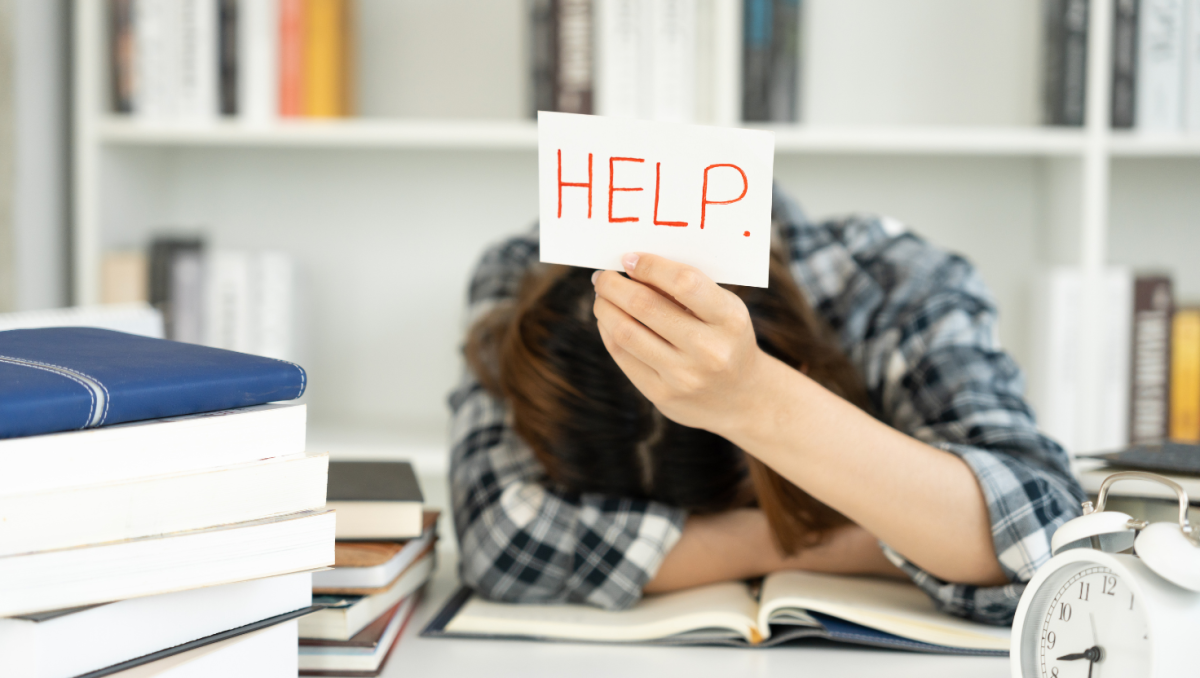

Because healing isn’t one-size-fits-all, and neither is anxiety.
Let’s be real: most of us are carrying something.
Sometimes, it’s the racing thoughts at 2 AM.
Sometimes, it’s the tightness in your chest before a meeting.
Sometimes, it’s snapping at someone you love—and not knowing why.
That’s anxiety. And while it wears many masks, one thing is clear: it doesn’t show up the same way for everyone.
In fact, gender plays a quiet—but powerful—role in how anxiety feels, how we cope, and how often we get the help we need.
This is for anyone who’s ever felt overwhelmed and wondered, “Is it just me?”
Spoiler: It’s not. Let’s talk about it.
1. Women tend to carry it quietly. Men often carry it silently.
- Women often overthink, over-apologize, and over-function. We say “I’m fine” while our minds are in overdrive. We worry about everyone and everything—and still try to smile through it.
- Men? They may not even call it anxiety. It often shows up as irritability, anger, or shutting down. Sometimes, they cope by working more, drinking more, or avoiding emotions altogether.
📌 Truth: Society teaches women to be nice and men to be strong. But anxiety doesn’t follow those rules.
2. Hormones make it messier for women.
- Anxiety in women often gets worse around PMS, pregnancy, postpartum, or perimenopause. Hormones don’t just mess with your mood—they affect how your nervous system responds to stress.
- Ever felt like your world was crumbling for no reason a few days before your period? That’s not “dramatic.” That’s your brain on hormonal overload.
📌 Tip: Track your cycle and notice patterns. You’re not losing it—you’re learning your rhythm.
3. Men don’t always know they’re anxious—they just feel “off.”
- Many men describe feeling “on edge,” “angry,” or “disconnected.” They often don’t link it back to anxiety because they weren’t taught the language for it.
- Some bury themselves in productivity or distractions because it feels safer than slowing down and feeling.
📌 Reminder: You don’t need to hit rock bottom to reach out. You just need a moment of honesty.
4. Women are more likely to seek help—but also more likely to be dismissed.
- Women are often told they’re “too sensitive” or “too emotional.” We’re more likely to be diagnosed with anxiety—but also more likely to doubt ourselves for having it.
- That constant questioning—Am I overreacting? Am I making this up?—is its own kind of trauma.
📌 Healing starts when we stop gaslighting ourselves. You’re allowed to feel deeply. You’re allowed to take up space.
5. Men are still taught to tough it out.
- From a young age, many boys are told not to cry, not to “act like a girl,” and to be strong at all costs. So they grow up silencing pain—even when it’s drowning them.
📌 Real strength is vulnerability. Talking about what hurts isn’t weakness. It’s courage.
6. Both women and men inherit unspoken rules.
- Women often inherit people-pleasing, perfectionism, and the pressure to do it all.
- Men often inherit stoicism, self-reliance, and the belief that asking for help is failure.
📌 These patterns aren’t your fault. But healing from them is your choice.
7. Anxiety doesn’t mean broken. It means human.
Here are a few things that help—regardless of gender:
- Therapy (even if it’s just trying one session)
- Mindfulness (breathing, yoga, or just lying still without scrolling)
- Movement (walk, dance, stretch, punch a pillow—whatever releases the tension)
- Sleep and food (basic, but powerful)
- Journaling or voice notes to understand your own mind(It really helps)
- Safe people—the ones who ask, “How are you, really?” and mean it
Let’s make space for healing that fits you.
Anxiety doesn’t care about gender—but the world often does.
Let’s unlearn the shame. Let’s stop pretending we’re okay when we’re not. Let’s talk more openly, love more softly, and support more honestly.
Because when we stop hiding, we start healing.
And we all deserve that.
If this spoke to you, share it. Not for likes—but for someone out there who thinks they’re alone. They’re not. Neither are you.


❤️