
For the longest time, I thought scarcity was only about money.
Not having enough.
Worrying about expenses.
Counting days till the next pay-check.
But over time, I realised something uncomfortable:
Even when money situations change, scarcity doesn’t automatically leave.
Because scarcity isn’t just financial.
It’s psychological.
And once it lives in your mind, it quietly spills into every corner of your life.
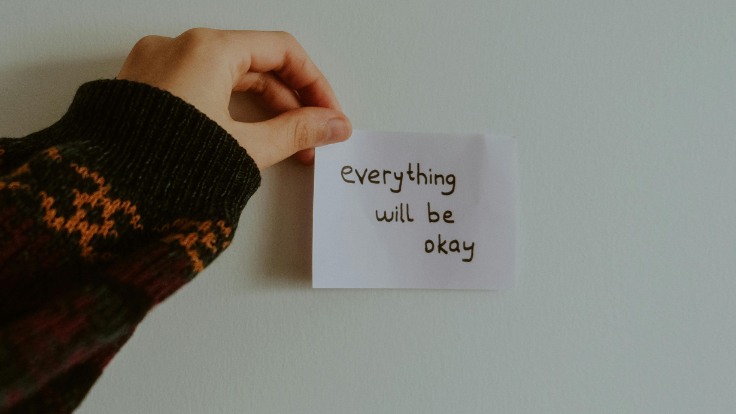
Scarcity Is a Mindset, Not a Bank Balance
Scarcity is the belief that there is never enough.
Not enough money.
Not enough time.
Not enough love.
Not enough opportunities.
Not enough appreciation.
Not enough safety.
And when you operate from this belief, you don’t just make decisions you react.
From fear, From urgency, From survival.
You start gripping life tightly instead of allowing it to flow.
How Scarcity Shows Up Beyond Money
Let’s talk about the ways scarcity hides in plain sight.
1. Scarcity in Relationships
This one is subtle and dangerous.
You tolerate bare minimum behavior because you’re afraid there won’t be anyone else.
You overgive, over-explain, over-adjust hoping not to be abandoned.
You stay silent about your needs because “at least they’re here.”
This isn’t love.
This is emotional hoarding.
Scarcity tells you that affection is rare, so you cling to crumbs and call it loyalty.
2. Scarcity of Time
You rush everything.
You feel guilty resting.
You multitask constantly.
You’re always behind, even when nothing is urgent.
Scarcity of time makes you feel like slowing down is irresponsible when in reality, it’s necessary.
You stop being present because your mind is always racing ahead, afraid of falling short.
3. Scarcity of Self-Worth
This one runs deep.
You seek validation before trusting your own judgment.
You doubt yourself even when you’re capable.
You feel replaceable even when you’re not.
Scarcity whispers, “You are not enough as you are. You must prove your value.”
So you overwork.
Overperform.
Overfunction.
And still feel unseen.
4. Scarcity of Joy
You delay happiness.
“I’ll relax after this phase.”
“I’ll celebrate once I achieve more.”
“I’ll feel grateful when life settles.”
But life doesn’t pause to become perfect.
Scarcity makes joy feel undeserved like a luxury you must earn instead of a state you’re allowed to inhabit.
Where Scarcity Often Comes From
Scarcity is learned.
It comes from:
- Growing up with emotional inconsistency
- Being praised only for productivity
- Love that felt conditional
- Environments where safety wasn’t guaranteed
- Being taught to “adjust” instead of receive
Your nervous system learned survival before it learned abundance.
And that’s not your fault.
The Cost of Living in Scarcity
Scarcity doesn’t just limit resources it limits experience.
It keeps you anxious even during good times.
It makes you suspicious of ease.
It turns rest into guilt and desire into shame.
Worst of all, it keeps you from trusting life.
Shifting from Scarcity to Sufficiency
This isn’t about pretending everything is abundant overnight.
That’s not realistic.
It starts smaller.
- Noticing when you’re acting from fear instead of clarity
- Pausing before saying yes out of obligation
- Letting yourself receive without immediately returning the favour
- Believing that walking away doesn’t mean you’ll end up with nothing
Sufficiency is the quiet belief that what you need will meet you without force.
Final Thoughts
Scarcity isn’t loud.
It doesn’t announce itself.
It hides in habits, reactions, and self-talk.
It shows up in how tightly you hold on and how afraid you are to let go.
But once you see it, you can’t unsee it.
And awareness is always the first step toward freedom.
We were never meant to live as if life is constantly about to run out.
Leave a Comment